Roofing & Insurance Claims
Hail Damage on Your Tulsa Roof: File a Claim or Just Repair It?
After a hailstorm rolls through Tulsa, the same question comes up on every street: is this worth an insurance claim, or should we just fix it? The honest answer depends on three things: how bad the damage really is, what your deductible is, and how old your roof is. Here is how we walk homeowners through it.
Start With What the Hail Did
Not all hail damage is equal, and not all of it is visible from the yard. Before anyone talks about claims, somebody needs to look closely at the roof and everything around it.
From the ground, you can check a few things safely:
- Gutters and downspouts. Dents in the metal, or piles of dark shingle granules washed out at the bottom of a downspout.
- Soft metal. Dings in roof vents, flashing, the AC unit's fins, mailboxes, and window screens.
- Siding and trim. Cracks, chips, or round marks on the side of the house that faced the storm.
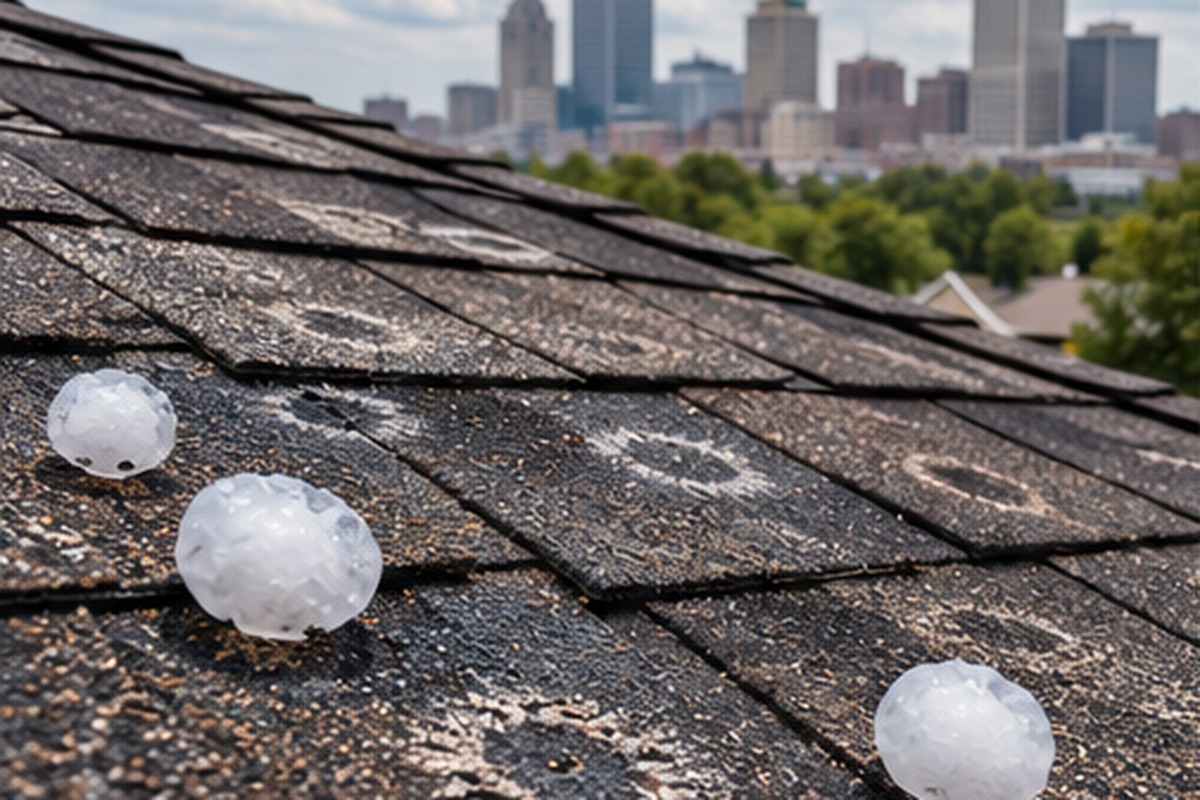
On the roof itself, a trained eye is looking for bruised spots where the shingle mat has been crushed, cracks, and patches where the granules have been knocked off and the dark asphalt shows through. Those spots may not leak today. They are where the shingle will fail early, because the granules are what protect it from the sun.
Please don't climb up there yourself after a storm. A roof inspection from us is free, and wet or damaged shingles are easy to slip on.
Know Your Deductible Before You Decide
This is the step most people skip. Pull out your policy's declarations page and find the wind and hail deductible. In Oklahoma it is often separate from your regular deductible, and it is often a percentage of your home's insured value instead of a flat dollar amount.
That matters more than people expect. A percentage deductible on a well-insured home can be several thousand dollars. If the repair costs less than that, a claim pays you nothing, and you have still put a claim on your record.
Two more things worth checking while you have the policy out:
- How the roof is covered. Some policies pay to replace the roof at today's cost. Others pay only its depreciated value, which shrinks as the roof ages. Your agent can tell you which you have.
- The deadline to file. Policies set a time limit for reporting storm damage. Check yours so that waiting doesn't cost you the option.
When a Repair Makes More Sense
We tell homeowners not to file when the numbers don't support it. A repair out of pocket is usually the better call when:
- The damage is limited to a few shingles, a vent, or a short run of gutter.
- The repair estimate is below, or only a little above, your deductible.
- The marks are cosmetic and the roof is still doing its job.
In those cases we fix what is damaged, tell you how much life the rest of the roof has left, and you move on.
When a Claim Makes Sense
A claim is what insurance is for when the damage is real and widespread. It is usually the right move when:
- Bruising or granule loss shows up across most of the roof, not just one corner.
- The storm also hit your siding, gutters, windows, or fence, so the total is well past your deductible.
- Water has already made it inside, into the attic, ceilings, or walls.
If the damage is obvious, such as a tree on the roof or water coming in, call your insurance company first and protect the house from more damage. An inspection can come right after.
What We Do if You File
Your insurance company decides what is covered. Our job is to make sure the full picture is in front of them. With an insurance claim, we:
- Inspect the roof, siding, gutters, and interior, and photograph everything we find.
- Write a detailed estimate with measurements.
- Meet your adjuster at the house, if you would like us there, and walk them through the damage.
- Complete the approved repairs and do a final walkthrough with you.
One thing we will never do is offer to cover or waive your deductible. That isn't legal in Oklahoma, and a contractor who offers it is telling you something about how they do business.
If You're Replacing the Roof Anyway
Ask about Class 4 impact-resistant shingles. They hold up better to hail, and many insurers offer a discount for them. Call your agent and ask what the discount would be on your policy before you choose.